
Data has become one of the most valuable assets for modern businesses. However, collecting data is no longer enough—companies need the ability to analyze information quickly and make accurate decisions. In 2026, AI-powered data analytics and decision support systems are transforming how organizations understand customers, optimize operations, and create business strategies.
Artificial intelligence enables businesses to process massive amounts of data, identify hidden patterns, predict future trends, and provide actionable recommendations. As a result, companies can make faster and smarter decisions based on real-time insights rather than assumptions.
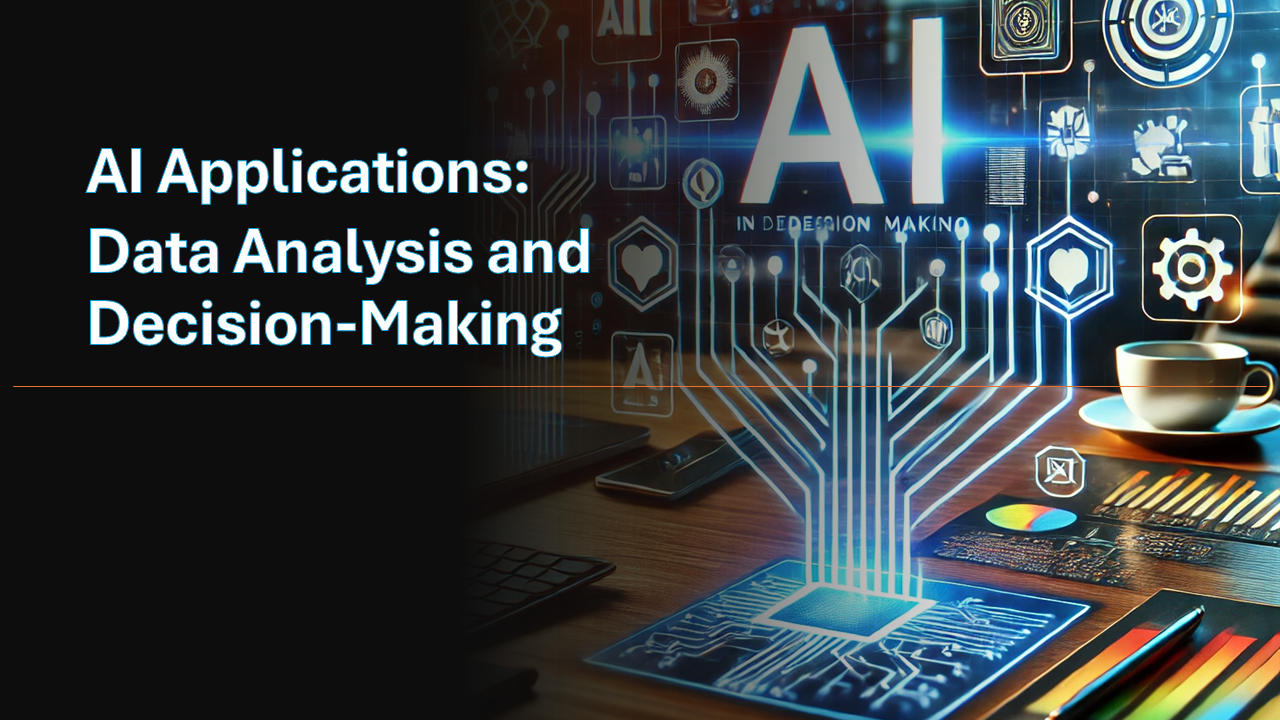
What Is AI Data Analytics & Decision Making?
AI data analytics combines machine learning, automation, and advanced algorithms to analyze complex datasets and generate meaningful insights.
Unlike traditional analytics tools that only report past performance, AI-powered systems can predict future outcomes and recommend the best actions.
Common applications include:
- Sales forecasting
- Customer behavior analysis
- Financial prediction
- Risk management
- Marketing optimization
- Operational improvement
1. Predictive Analytics for Smarter Decisions
One of the biggest advantages of AI analytics is predictive capability. AI systems analyze historical data and identify patterns to forecast future trends.
Businesses can predict customer demand, optimize inventory, estimate revenue, and identify potential risks before they happen.
Business benefits:
- More accurate forecasting
- Reduced operational risks
- Better resource planning
2. Customer Intelligence and Personalization
AI analytics helps businesses understand customer behavior by analyzing purchasing patterns, preferences, and interactions.
Companies can use these insights to create personalized recommendations, targeted marketing campaigns, and improved customer experiences.
For example, AI can identify which products customers are most likely to buy and recommend personalized offers in real time.
Business benefits:
- Higher customer engagement
- Increased conversion rates
- Stronger customer loyalty
3. Automated Business Reporting
Traditional reporting often requires hours of manual data collection and analysis. AI-powered tools can automatically generate reports, summarize key insights, and highlight important trends.
Platforms such as Microsoft Power BI with AI features, Tableau AI, and Google Looker help businesses transform complex data into easy-to-understand dashboards.
Business benefits:
- Faster reporting
- Reduced manual work
- Improved transparency
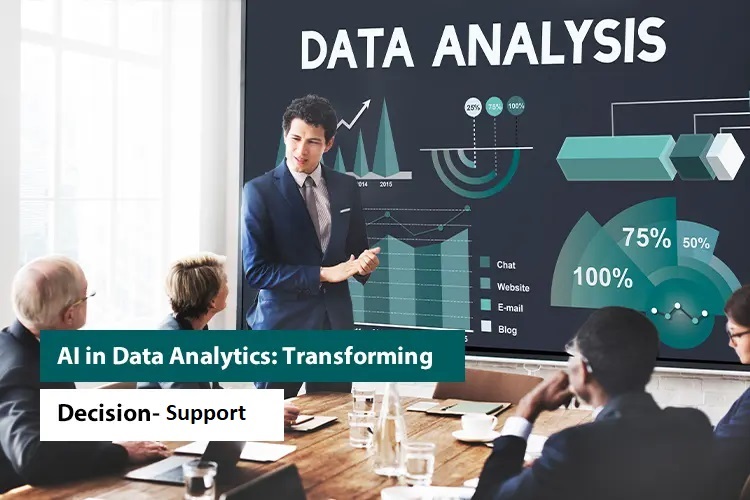
4. AI-Powered Decision Support Systems
Decision support systems use AI to provide recommendations based on real-time information. These systems help managers evaluate options, identify opportunities, and make strategic decisions.
AI can support decisions in areas such as pricing, supply chain management, hiring, and investment planning.
Business benefits:
- Faster decision-making
- Data-driven strategies
- Improved business performance
5. AI Analytics for Competitive Advantage
Companies that use AI analytics gain deeper insights into market trends and competitor behavior. By understanding changes faster, businesses can adapt strategies and stay ahead of competitors.
AI allows organizations to move from reactive decision-making to proactive planning.
Business benefits:
- Better market positioning
- Faster innovation
- Long-term growth opportunities
Final Thoughts
AI Data Analytics and Decision Support are becoming essential tools for businesses in 2026. By combining automation, predictive intelligence, and real-time insights, AI helps organizations make smarter decisions and improve operational efficiency.
The future of business intelligence is not just about collecting more data—it is about understanding data and turning it into meaningful action. Companies that successfully adopt AI-powered analytics will gain a significant advantage through improved forecasting, personalized customer experiences, and faster strategic decisions.
As AI technology continues to evolve, businesses that embrace intelligent data analysis will be better prepared to compete in an increasingly digital and data-driven economy.
Write Your Review
No reviews yet. Be the first to share your experience!