
Choosing the right platform for your online presence is an important decision. Many businesses wonder whether they need a traditional website builder or a specialized landing page platform like Unbounce. While both tools allow you to create web pages, they serve very different purposes.
Traditional website builders are designed to create complete websites with multiple pages, while Unbounce focuses on building high-converting landing pages for marketing campaigns. Understanding these differences can help you select the right solution for your business goals.
What Is Unbounce?
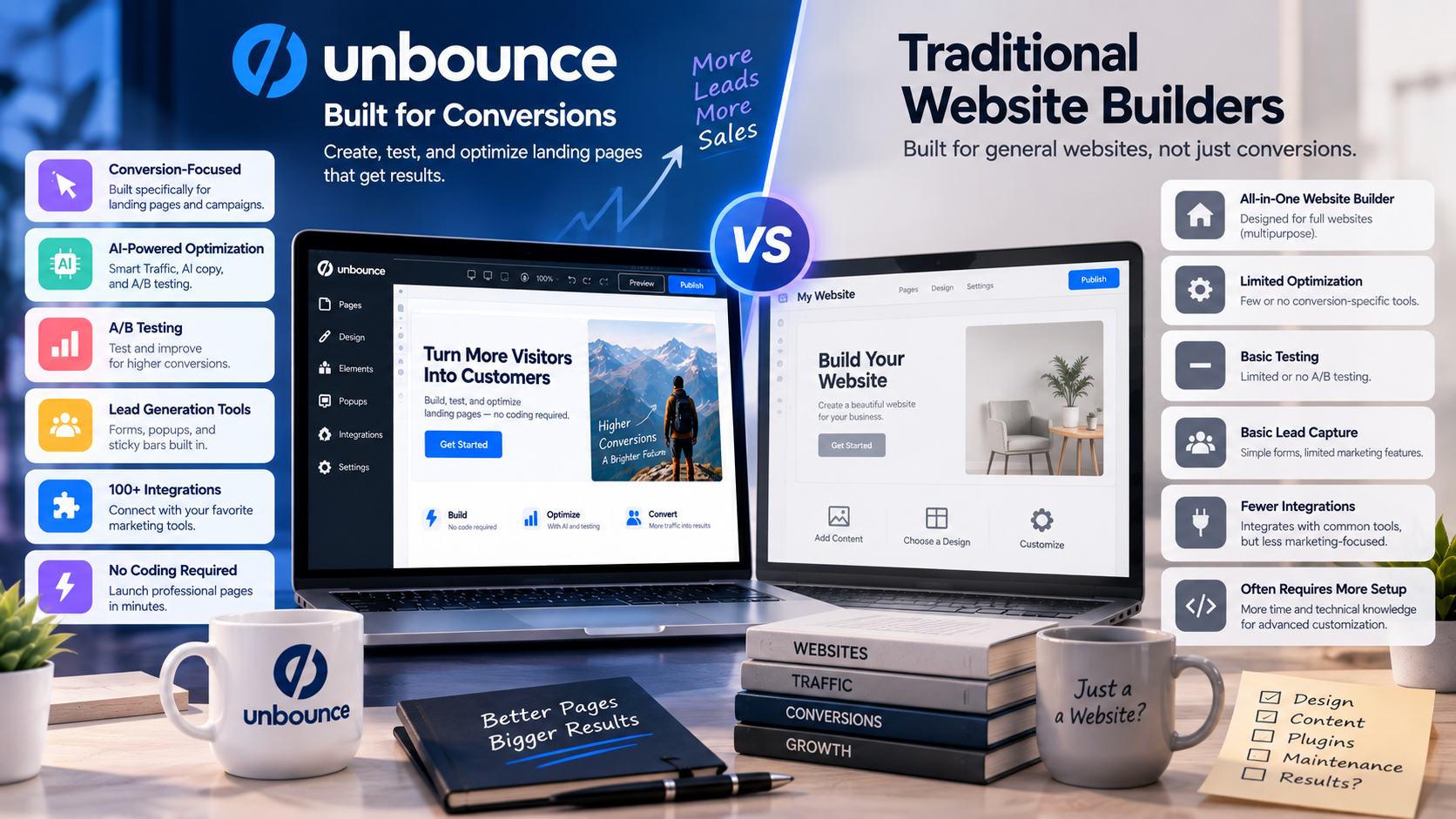
Unbounce is a cloud-based landing page platform built specifically for marketers. Its primary purpose is to help businesses convert visitors into leads or customers through optimized landing pages.
The platform includes features such as:
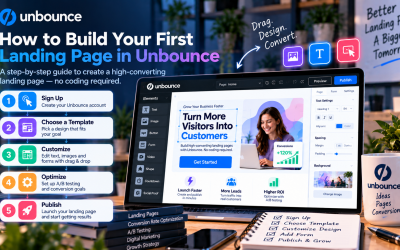
- Drag-and-drop page builder
- AI-powered Smart Traffic
- A/B testing
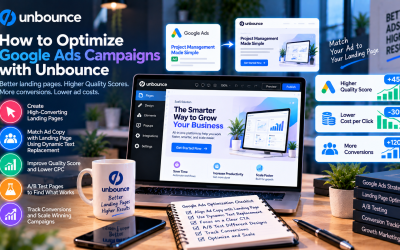
- Dynamic Text Replacement
- Popups and Sticky Bars
- Lead capture forms
- Marketing integrations
Rather than replacing your website, Unbounce complements it by providing dedicated pages for advertising campaigns, product launches, webinars, and lead generation.
What Are Traditional Website Builders?
Traditional website builders are platforms that help users create complete websites without coding. They are designed for businesses that need a homepage, service pages, blogs, online stores, contact pages, and navigation menus.
Popular website builders typically provide:
- Website templates
- Blog management
- Navigation menus
- SEO tools
- Ecommerce functionality
- Content management systems (CMS)
- Media libraries
These platforms are ideal for establishing an online presence but are not always optimized for maximizing campaign conversions.
The Main Differences
Purpose
The biggest difference lies in the intended use.
Unbounce is built for conversion optimization. Every landing page focuses on a single objective, such as collecting leads or driving sales.
Traditional website builders focus on presenting information about a business through multiple interconnected pages.
Page Structure
Landing pages created with Unbounce are intentionally simple.
Most include:
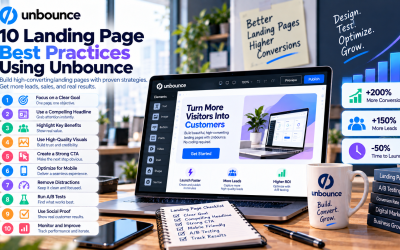
- One headline
- One offer
- One call-to-action
- One conversion goal
Traditional websites often contain:
- Multiple navigation menus
- Numerous pages
- Blog articles
- Product catalogs
- Company information
- Internal links
While this structure is ideal for browsing, it can also introduce distractions that reduce conversion rates for paid campaigns.
Conversion Optimization
This is where Unbounce stands out.
The platform includes built-in tools such as:
- AI Smart Traffic
- A/B testing
- Dynamic Text Replacement
- Conversion analytics
- Lead capture optimization
Traditional website builders generally provide basic analytics but often require additional plugins or third-party tools for advanced conversion testing.
Ease of Campaign Management
Marketing campaigns often require rapid updates.
With Unbounce, users can:
- Launch campaign-specific pages
- Duplicate existing pages
- Test different versions
- Publish instantly
- Track conversion performance
Traditional website builders can handle marketing pages, but making frequent changes across campaigns may require more manual effort.
Flexibility for Marketers
Unbounce gives marketing teams greater independence.
Because of its no-code visual editor, marketers can build and publish landing pages without waiting for developers or designers.
Traditional website builders also offer visual editors, but larger website structures may involve additional design, navigation, and content management considerations.
SEO Focus
Traditional websites are generally better suited for long-term SEO strategies.
They support:
- Blog publishing
- Internal linking
- Topic clusters
- Resource libraries
- Company information
These elements help businesses build authority and rank for informational keywords over time.
Unbounce, on the other hand, is designed primarily for campaign-specific pages that support paid advertising, lead generation, and conversion-focused marketing.
Integrations
Both platforms integrate with popular marketing tools, but Unbounce places greater emphasis on lead generation workflows.
Common integrations include:
- CRM systems
- Email marketing software
- Google Analytics
- Google Ads
- Marketing automation platforms
- Zapier
This makes it particularly useful for businesses running active digital marketing campaigns.
Advantages of Unbounce
Choosing Unbounce offers several benefits:
- Built specifically for landing pages
- Excellent conversion optimization tools
- AI-powered Smart Traffic
- Built-in A/B testing
- Fast page publishing
- No coding required
- Professional templates
- Extensive marketing integrations
For businesses focused on maximizing advertising performance, these features provide significant value.
Advantages of Traditional Website Builders
Traditional website builders remain an excellent choice for businesses that need a complete online presence.
Their strengths include:
- Full business websites
- Blog management
- Ecommerce capabilities
- Content management
- Navigation and menus
- Large page structures
- Long-term SEO support
They are particularly suitable for companies that want visitors to explore multiple products, services, or resources.
Which One Should You Choose?
The right choice depends on your goals.
Choose Unbounce if you want to:
- Generate more leads
- Improve PPC campaign performance
- Build landing pages quickly
- Run A/B tests
- Optimize conversion rates
- Launch product promotions
- Collect webinar registrations
Choose a traditional website builder if you need to:
- Build a complete company website
- Publish blog content regularly
- Create an online store
- Manage many pages
- Improve long-term organic SEO
In many cases, businesses use both solutions together. Their primary website serves as their online hub, while Unbounce is used to create dedicated landing pages for advertising campaigns and lead generation.
Who Benefits Most from Unbounce?
Unbounce is especially valuable for:
- SaaS companies
- Digital marketing agencies
- Ecommerce businesses
- Startup founders
- B2B sales teams
- PPC specialists
- Growth marketers
Organizations investing in paid advertising often achieve better results by directing traffic to focused landing pages rather than general website pages.
Final Verdict
Although Unbounce and traditional website builders may seem similar, they are built for different objectives.
A traditional website builder helps you create and manage a complete online presence with multiple pages, blogs, and navigation. Unbounce, however, is designed specifically to maximize conversions through dedicated landing pages, AI-powered optimization, A/B testing, and marketing-focused features.
Rather than viewing them as competitors, many successful businesses use both. A traditional website provides credibility and supports long-term SEO, while Unbounce drives conversions from paid advertising, email campaigns, product launches, and lead generation efforts.
If your priority is increasing marketing performance and turning more visitors into customers, Unbounce is a powerful addition to your digital marketing toolkit.
Write Your Review
No reviews yet. Be the first to share your experience!