
Affiliate marketing continues to be one of the most attractive online business models in 2026. With relatively low startup costs and the ability to generate recurring income, it remains a popular choice for entrepreneurs, content creators, bloggers, and digital marketers. However, the industry has evolved significantly. Traditional tactics such as publishing keyword-stuffed articles or relying solely on search engine traffic are no longer enough. Today's successful affiliate marketers are building brands, leveraging Artificial Intelligence (AI), and creating value-driven content across multiple platforms.
AI Has Become a Competitive Advantage
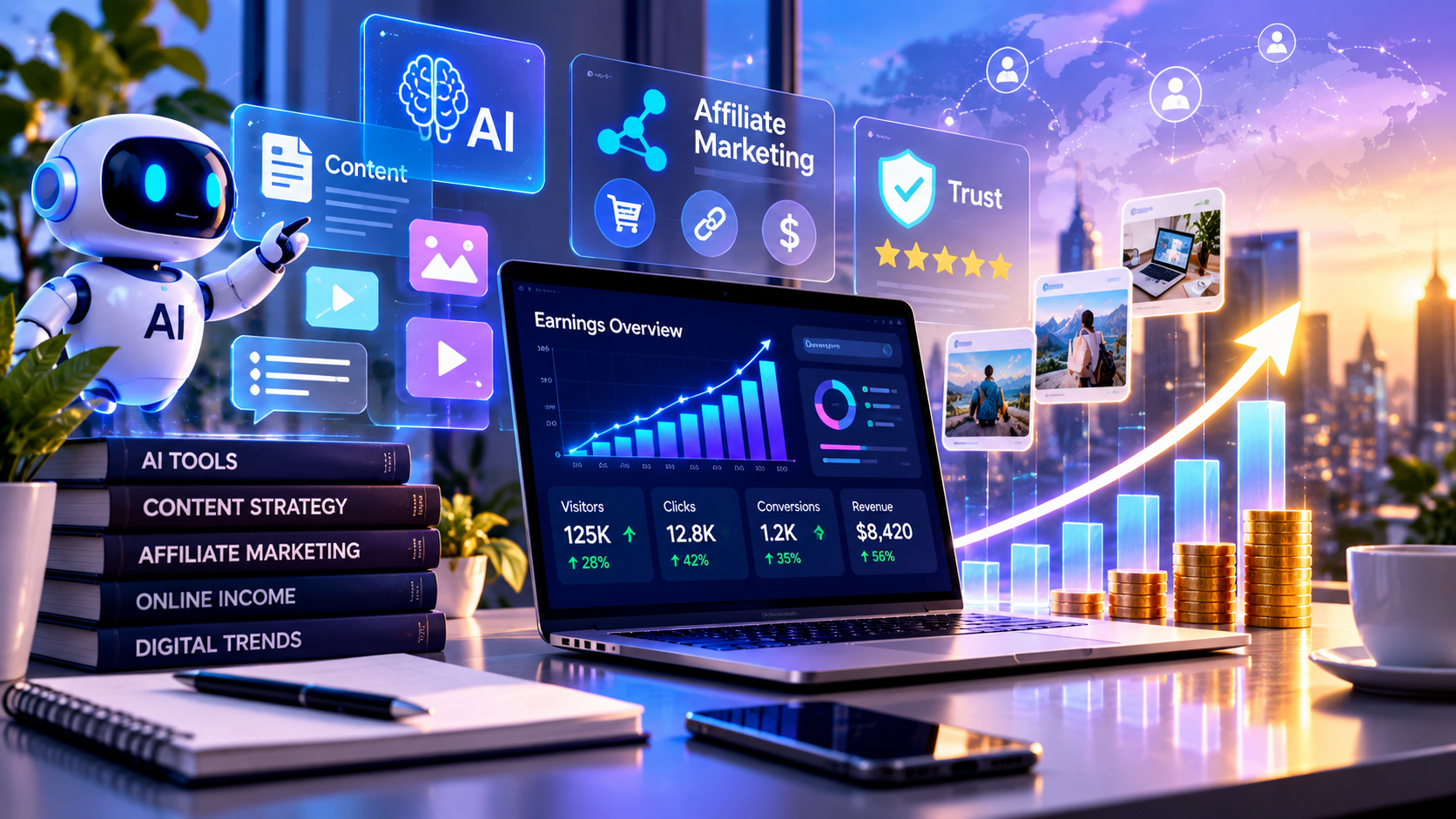
The biggest shift in affiliate marketing is the widespread adoption of AI. Marketers now use AI throughout the entire workflow—from researching profitable niches and identifying trending keywords to generating content, designing creatives, and optimizing advertising campaigns.
AI-powered tools can analyze consumer behavior, predict buying intent, automate email marketing, and personalize recommendations based on user interests. This allows affiliate marketers to produce more content, launch campaigns faster, and make better decisions using real-time data.
However, AI is not a shortcut to success. The marketers achieving the best results use AI to enhance productivity while adding their own expertise, testing products, and sharing authentic experiences that build trust with their audience.
Trust Is More Valuable Than Traffic
In previous years, success often depended on attracting as many visitors as possible. In 2026, trust has become a more important metric than traffic volume.
Consumers are more cautious and better informed. They compare multiple reviews, watch product demonstrations, and seek recommendations from creators they trust before making purchasing decisions.
As a result, affiliate marketers are investing more in personal branding, transparent product reviews, and long-term audience relationships. Rather than promoting every available product, successful affiliates focus on carefully selected tools and services that genuinely solve problems.
This trust-first approach leads to higher conversion rates, stronger customer loyalty, and more sustainable income.
Multi-Platform Content Is the New Standard
Relying on a single traffic source has become increasingly risky. Search engine algorithm updates, social media changes, and advertising costs can significantly impact performance overnight.
Today's affiliate marketers build audiences across multiple channels, including:
- Blogs and niche websites
- YouTube
- TikTok
- Email newsletters
- Podcasts
A single piece of content is often repurposed into several formats. For example, one product review can become a blog article, YouTube video, LinkedIn post, short-form video, and email campaign.
This strategy expands reach while reducing dependence on any single platform.
High-Ticket and SaaS Affiliate Programs Continue to Grow
One of the strongest trends in 2026 is the increasing popularity of SaaS and high-ticket affiliate programs.
Instead of earning small commissions from physical products, many marketers now promote software subscriptions, AI tools, CRM platforms, cybersecurity solutions, cloud services, and business automation software.
These programs often provide recurring monthly or annual commissions, creating predictable long-term revenue rather than one-time payments.
As businesses continue investing in digital transformation and AI adoption, demand for software solutions continues to grow, making SaaS affiliate marketing one of the industry's most profitable segments.
Search Is Expanding Beyond Google
Search behavior is changing rapidly. Consumers now discover products through AI-powered search assistants, YouTube, Reddit, LinkedIn, and online communities in addition to traditional search engines.
This shift requires affiliate marketers to optimize content not only for Google but also for conversational search and AI-generated answers. Articles that provide genuine expertise, practical insights, and comprehensive comparisons are more likely to be recommended by modern AI search platforms.
The focus is moving away from keyword density toward content quality, authority, and user satisfaction.
First-Party Data Is Becoming Essential
Privacy regulations and the gradual decline of third-party cookies are changing digital marketing strategies.
Affiliate marketers increasingly prioritize collecting first-party data through email newsletters, downloadable resources, webinars, online communities, and free tools.
Owning direct relationships with subscribers gives marketers greater control over their audience and reduces dependence on search engines or social media algorithms.
Email marketing remains one of the highest-converting channels because it enables personalized communication and repeated engagement with potential buyers.
Building a Brand Instead of Chasing Commissions
Perhaps the most important trend in 2026 is the shift from short-term commission chasing to long-term brand building.
The most successful affiliate marketers position themselves as trusted experts within a specific niche. They create educational content, publish honest reviews, compare competing products objectively, and consistently provide value before asking readers to make a purchase.
A recognizable brand creates stronger customer loyalty, attracts higher-quality partnerships, and generates recurring traffic through referrals, subscriptions, and community engagement.
Instead of asking, “How can I sell more products?” leading affiliates ask, “How can I become the most trusted resource in my niche?”
Conclusion
Affiliate marketing in 2026 is more sophisticated, competitive, and rewarding than ever before. AI has transformed productivity, while trust, expertise, and brand authority have become the primary drivers of sustainable success. Marketers who diversify their traffic sources, invest in high-quality content, embrace AI responsibly, and build direct relationships with their audiences will be well positioned to thrive.
The future of affiliate marketing is no longer about publishing the most content or promoting the most products. It is about delivering genuine value, solving real customer problems, and using technology to create more personalized and meaningful experiences. Those who combine innovation with authenticity will define the next generation of successful affiliate marketers.



Write Your Review
No reviews yet. Be the first to share your experience!