
Landing pages remain one of the most effective tools for generating leads, increasing sales, and improving the return on digital advertising campaigns. Whether you're running Google Ads, promoting a SaaS product, selling an online course, or launching a new ecommerce store, the right landing page builder can significantly improve your conversion rates.
Today's market offers a wide variety of landing page platforms, each designed for different business needs. Some focus on AI-powered conversion optimization, while others emphasize sales funnels, affordability, or ease of use.
In this guide, we compare the top landing page builders in 2026, evaluating their features, pricing, strengths, weaknesses, and ideal use cases to help you choose the right platform.
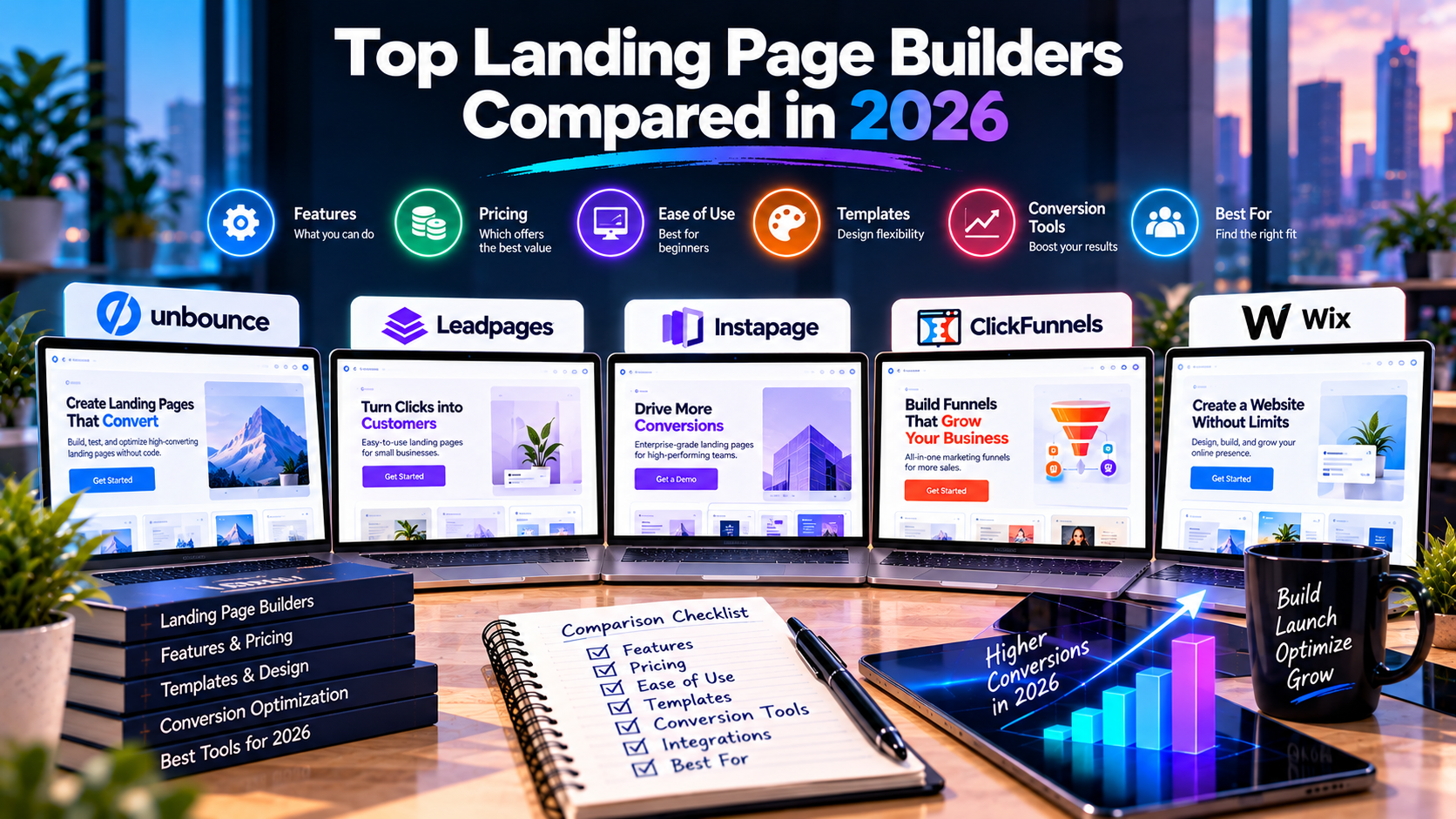
What Makes a Great Landing Page Builder?
Before comparing platforms, it's important to understand the key features that matter most.
An excellent landing page builder should provide:
- Drag-and-drop page editing
- Responsive templates
- Fast page loading
- Lead capture forms
- A/B testing
- CRM and marketing integrations
- Analytics and reporting
- Mobile optimization
- Conversion optimization tools
- Reliable hosting
Depending on your business, AI features and sales funnel capabilities may also be valuable.
1. Unbounce
Best for Conversion Optimization and PPC Campaigns
Unbounce has earned its reputation as one of the industry's leading landing page platforms. Rather than simply helping users build pages, it focuses on maximizing conversion rates through intelligent optimization.
Key Features
- Drag-and-drop builder
- AI-powered Smart Traffic
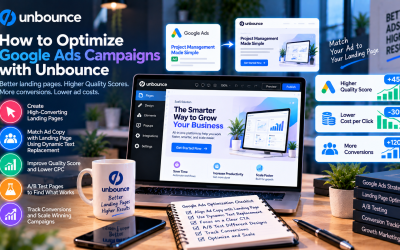
- Dynamic Text Replacement
- Built-in A/B testing
- Popups and Sticky Bars
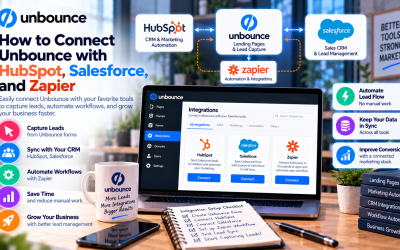
- Advanced CRM integrations
- Conversion-focused templates
Pros
- Excellent Google Ads optimization
- AI-powered visitor routing
- Highly customizable pages
- Strong testing capabilities
- Extensive integrations
Cons
- Premium pricing
- No website builder
- No built-in sales funnel system
Best For
- SaaS companies
- Marketing agencies
- PPC specialists
- Ecommerce advertisers
- B2B lead generation
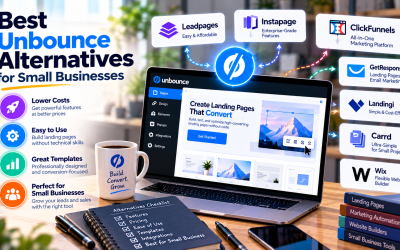
2. Leadpages
Best for Small Businesses
Leadpages offers an affordable and beginner-friendly solution for entrepreneurs and growing businesses.
Key Features
- Landing page builder
- Website builder
- Popups
- Alert bars
- Lead capture forms
- Conversion templates
Pros
- Easy to use
- Affordable pricing
- Website builder included
- Excellent for beginners
Cons
- Limited AI optimization
- Less flexible editor
- Fewer advanced CRO tools
Best For
- Freelancers
- Consultants
- Coaches
- Small businesses
- Startups
3. Instapage
Best for Enterprise Marketing Teams
Instapage is designed for organizations running large advertising campaigns.
Key Features
- Pixel-perfect builder
- Instablocks
- Heatmaps
- Team collaboration
- Personalization
- A/B testing
Pros
- Outstanding collaboration tools
- Advanced design flexibility
- Enterprise workflow support
Cons
- Expensive
- Better suited to larger organizations
Best For
- Enterprise companies
- Marketing departments
- Advertising agencies
4. ClickFunnels
Best for Sales Funnels
ClickFunnels is much more than a landing page builder.
It allows businesses to create complete customer journeys.
Key Features
- Funnel builder
- Checkout pages
- Membership sites
- Email automation
- Upsells
- Downsells
Pros
- Complete sales funnel platform
- Excellent for digital products
- Built-in ecommerce features
Cons
- More complex
- Higher pricing
- Less focused on PPC optimization
Best For
- Course creators
- Coaches
- Ecommerce businesses
- Digital entrepreneurs
5. Landingi
Best Value for Growing Businesses
Landingi combines affordability with a flexible landing page builder.
Key Features
- Landing pages
- Popups
- Forms
- A/B testing
- CRM integrations
Pros
- Competitive pricing
- Easy to learn
- Good customization
Cons
- Smaller integration ecosystem
- Limited AI functionality
Best For
- Small businesses
- Agencies
- Freelancers
6. HubSpot Landing Pages
Best for HubSpot Users
Businesses already using HubSpot's CRM benefit from seamless landing page creation within the same ecosystem.
Key Features
- Landing pages
- CRM integration
- Marketing automation
- Email marketing
- Analytics
Pros
- Unified marketing platform
- Excellent lead management
- Powerful automation
Cons
- Advanced features require higher-tier plans
- Less design flexibility than specialized builders
Best For
- B2B companies
- Sales teams
- HubSpot customers
7. Wix
Best for Websites with Landing Pages
Wix combines website building with basic landing page functionality.
Key Features
- Website builder
- Ecommerce
- Blogging
- Landing pages
- Appointment booking
Pros
- Easy to use
- Affordable
- All-in-one solution
Cons
- Limited conversion optimization
- Not built specifically for PPC campaigns
Best For
- Local businesses
- Restaurants
- Personal brands
- Service providers
Feature Comparison
| Platform | AI Features | A/B Testing | Website Builder | Sales Funnels | Best For |
|---|---|---|---|---|---|
| Unbounce | ✅ Smart Traffic | ✅ | ❌ | ❌ | PPC & CRO |
| Leadpages | ❌ | Limited | ✅ | ❌ | Small Businesses |
| Instapage | Limited | ✅ | ❌ | ❌ | Enterprise |
| ClickFunnels | ❌ | ✅ | Limited | ✅ | Sales Funnels |
| Landingi | ❌ | ✅ | ❌ | ❌ | Budget Growth |
| HubSpot | Limited | Limited | ❌ | ❌ | CRM Users |
| Wix | Limited | ❌ | ✅ | ❌ | Websites |
Pricing Overview
Although pricing changes periodically, the platforms generally fall into these categories:
Budget-Friendly
- Carrd
- Leadpages
- Wix
- Landingi
Mid-Range
- Unbounce
- HubSpot Starter
Premium
- Instapage
- ClickFunnels
- HubSpot Professional
Businesses should always review the latest pricing before selecting a platform.
Which Platform Is Right for You?
Choose Unbounce if you:
- Run Google Ads campaigns
- Focus on conversion rate optimization
- Need AI-powered optimization
- Want advanced landing page testing
Choose Leadpages if you:
- Have a smaller budget
- Need both websites and landing pages
- Are new to digital marketing
Choose Instapage if you:
- Manage enterprise campaigns
- Need collaboration tools
- Require heatmaps and personalization
Choose ClickFunnels if you:
- Sell digital products
- Build complete sales funnels
- Need checkout pages
Choose HubSpot if you:
- Already use HubSpot CRM
- Want integrated marketing automation
- Prioritize centralized customer data
Choose Wix if you:
- Need a business website
- Want a simple all-in-one platform
- Don't require advanced CRO tools
How to Choose the Best Landing Page Builder
When evaluating a platform, ask yourself the following questions:
- What is my monthly marketing budget?
- Do I need only landing pages or a full website?
- Will I run paid advertising campaigns?
- Is A/B testing important?
- Do I need AI-powered optimization?
- Which CRM and marketing tools do I already use?
- How many team members will collaborate on campaigns?
- Do I need ecommerce or sales funnel functionality?
Your answers will help narrow down the best option for your business.
Final Verdict
The best landing page builder in 2026 depends on your marketing goals, business size, and growth strategy.
For businesses focused on paid advertising, conversion rate optimization, and lead generation, Unbounce remains one of the strongest choices available. Its AI-powered Smart Traffic, Dynamic Text Replacement, robust A/B testing, and flexible page builder make it especially valuable for marketers seeking to maximize campaign performance.
Leadpages is an excellent option for entrepreneurs and small businesses that want an affordable, easy-to-use platform. Instapage excels in enterprise collaboration and advanced analytics, while ClickFunnels is ideal for businesses that need complete sales funnels rather than standalone landing pages. Landingi, HubSpot Landing Pages, and Wix also provide compelling solutions depending on your specific needs.
Ultimately, there is no single platform that is perfect for every business. The right choice is the one that aligns with your marketing objectives, technical requirements, and budget. By selecting a platform that fits your workflow and continuously optimizing your landing pages, you can generate more qualified leads, improve conversion rates, and achieve a higher return on your marketing investment.
Write Your Review
No reviews yet. Be the first to share your experience!