
Finding qualified B2B prospects has become more challenging than ever. Traditional cold emails often end up in spam folders, generic outreach rarely receives replies, and sales teams spend countless hours researching prospects manually. This is where lemlist stands out.
lemlist is an AI-powered sales engagement platform that helps businesses automate outbound prospecting through personalized emails, LinkedIn outreach, phone calls, and other communication channels. By combining artificial intelligence with sales automation, lemlist enables teams to connect with more prospects while maintaining a personal touch.
In this beginner's guide, you'll learn what lemlist is, how it works, who it is designed for, and why it has become one of the leading AI sales engagement platforms.

What Is lemlist?
Founded in 2018, lemlist started as a cold email personalization tool and has since evolved into a complete outbound sales platform. Today, it helps businesses discover prospects, create personalized outreach campaigns, automate follow-ups, and manage multichannel engagement from one dashboard.
Unlike traditional email marketing platforms, lemlist focuses on quality conversations rather than mass email campaigns. Its goal is to help sales professionals generate more replies, book more meetings, and close more deals.
How Does lemlist Work?
lemlist simplifies outbound sales through four key steps:
1. Find Qualified Prospects
Users can search millions of verified B2B contacts using filters such as industry, company size, location, and job title. Existing lead lists can also be imported.
2. Personalize Every Message
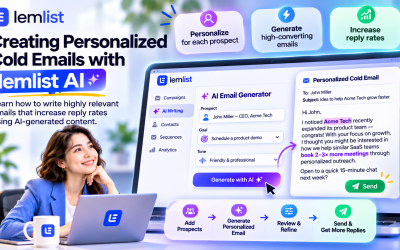
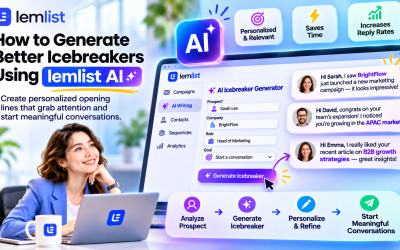
Using AI, lemlist creates personalized email content, custom icebreakers, and dynamic variables that make each message feel individually written.
3. Automate Outreach
Instead of sending one-off emails, users build automated sequences that combine multiple channels, including:
- LinkedIn profile visits
- Connection requests
- LinkedIn messages
- Phone calls
- SMS
This multichannel strategy significantly increases engagement compared to email-only campaigns.
4. Track Performance
The platform provides detailed analytics, including open rates, click rates, reply rates, and meeting bookings, allowing teams to optimize future campaigns.
Who Is lemlist Designed For?
lemlist is suitable for organizations that rely on outbound sales, including:
- B2B sales teams
- SaaS companies
- Startups
- Marketing agencies
- Lead generation agencies
- Recruitment firms
- Business development professionals
- Sales consultants and freelancers
It is less suitable for businesses focused primarily on newsletters or large-scale promotional email marketing.
Why Is lemlist So Popular?
Several features distinguish lemlist from traditional cold email tools:
- AI-powered personalization that creates unique messages for every prospect.
- Multichannel outreach combining email, LinkedIn, and phone interactions.
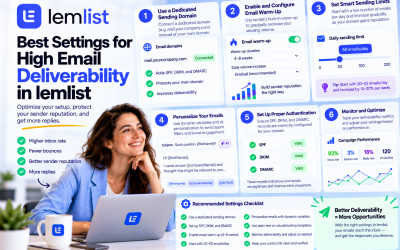
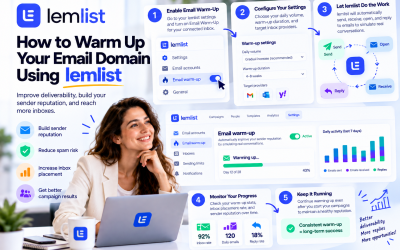
- Built-in email warm-up to improve sender reputation and deliverability.
- Large B2B lead database for prospect discovery.
- CRM integrations with platforms like HubSpot, Salesforce, and Pipedrive.
- Automation workflows that reduce repetitive manual tasks.
These capabilities help sales teams spend less time on administration and more time building customer relationships.
Pros and Cons
Pros
- Easy-to-use interface
- Advanced AI personalization
- Excellent email deliverability tools
- Powerful multichannel automation
- Extensive CRM integrations
Cons
- Premium pricing compared to basic cold email tools
- Requires initial setup and strategy for the best results
- Some advanced features have a learning curve
Final Thoughts
lemlist has grown into much more than a cold email platform. It combines AI, prospecting, personalization, automation, and multichannel outreach into a single solution that helps businesses generate more qualified leads and book more sales meetings.
If your goal is to scale outbound sales without sacrificing personalization, lemlist is one of the most complete AI sales engagement platforms available today. Whether you're a startup founder, SDR, agency owner, or enterprise sales manager, it's worth exploring as part of your modern sales technology stack.





Write Your Review
No reviews yet. Be the first to share your experience!